
Àkótán
A ìṣipopada in tí àwọn ẹgbẹ́ kékeré jẹ́ dá sílẹ̀ in ilés, àwọn ìjọ, àwọn ibi iṣẹ́, ati míràn aayes to ka já the Bibeli fún 100 ọjọ́s, then multiply sí inú tuntun àwọn ẹgbẹ́ kékeré lẹ́yìn parí the kíka. Àwọn olukópa ka, ṣe àṣàrò, ati gbàdúrà, dídá sílẹ̀ the ìlànà of the Ọ̀rọ̀ in ìgbé ayé ati in gbogbo aaye of awujọ.
Ìran
To tún kọ́ the ìpìlẹ̀ of the Ọ̀rọ̀ in the eight aayes of the orílẹ̀-èdè, múra fún ìṣọ̀kan padà nípasẹ̀ the Ọ̀rọ̀, ati gbé dìde three míliọ̀nù Ọ̀rọ̀ multipliers in ilés, àwọn ìjọ, àwọn ibi iṣẹ́, àwọn ilé-ẹ̀kọ́, acquaintances, Koria Àríwá àwọn asasala, ati the òkè òkun diaspora.
Àwọn iṣẹ́ pàtàkì
- Small-ẹgbẹ́ Bibeli kíka in ilés, àwọn ìjọ, àwọn ibi iṣẹ́, ati gbogbo aaye
- Multiply by forming tuntun àwọn ẹgbẹ́ kékeré lẹ́yìn parí the 100-ọjọ́ kíka
- Ìran to gbé dìde three míliọ̀nù Ọ̀rọ̀ readers in ilés, àwọn ìjọ, àwọn ibi iṣẹ́, àwọn ilé-ẹ̀kọ́, ati the diaspora
The Ìṣipopada Ìtànkálẹ̀ Ọ̀rọ̀ ni a ìṣipopada in tí eniyan form àwọn ẹgbẹ́ kékeré in the aayes níbi tí they wà, such as ilé, ìjọ, ati ibi iṣẹ́, ka já the Bibeli fún 100 ọjọ́s, ati lẹ́yìn parí the kíka, àwọn ọmọ ẹgbẹ́ form tuntun àwọn ẹgbẹ́ kékeré ati multiply.
The ìran of the Ìṣipopada Ìtànkálẹ̀ Ọ̀rọ̀ ni to tún kọ́ the ìpìlẹ̀ of the Ọ̀rọ̀ in the aayes of the orílẹ̀-èdè, the eight aayes, múra fún ìṣọ̀kan padà nípasẹ̀ the Ọ̀rọ̀, ati múra Koria to sin the orílẹ̀-èdès. The ibi-afẹ́ ni to gbé dìde three míliọ̀nù Ọ̀rọ̀ multipliers in ilés, àwọn ìjọ, àwọn ibi iṣẹ́, àwọn ilé-ẹ̀kọ́, acquaintances, Koria Àríwá àwọn asasala, ati the òkè òkun diaspora, so pé the Ọ̀rọ̀ flourishes ati leads atunṣe ọlaju Kristiani.
The tí a ṣèlérí Ọ̀rọ̀ ni Joshua 1:8. Holding to the Ọ̀rọ̀, "Do not let this Book of the Law depart láti your mouth, but ṣe àṣàrò on it ọjọ́ ati night, so pé you may jẹ́ careful to do according to gbogbo pé ni written in it; then your way will jẹ́ prosperous, ati then you will have success," we kéde pé báyìí ni the àkókò fún the Ọ̀rọ̀ of Ọlọrun to gbilẹ̀.
The Ìṣipopada Ìtànkálẹ̀ Ọ̀rọ̀ ni dàgbàsókè nípasẹ̀ Shema Ọ̀rọ̀ Ilé-ẹ̀kọ́. Àwọn akẹ́kọ̀ọ́ tí first parí the ilé-ẹ̀kọ́ strive to fi sílò the Ọ̀rọ̀ of Ọlọrun they have kọ́ to their own lives, ati they work so pé the Ọ̀rọ̀ di the ìpìlẹ̀ of the aaye of awujọ níbi tí they wà. Even lẹ́yìn parí the ilé-ẹ̀kọ́, they tẹ̀síwájú to engrave the Ọ̀rọ̀ on their ọkàns ati kó jọ not only themselves but also eniyan around them to tẹ̀síwájú Bibeli kíka in àwọn ẹgbẹ́ kékeré.
These àwọn ẹgbẹ́ kékeré jẹ́ not built around any àwọn ìkọ́ni; their only ète ni to ka já the Bibeli. Using the ìwé Ọ̀rọ̀-Penetrating 100-Day Bibeli Reading as a irinṣẹ́, they aim to ka já the Bibeli ó kere tán ìgbà mẹ́ta a ọdún. As each ènìyàn reads nípasẹ̀ the Bibeli, we jẹ́ confident pé the Ẹmí Mimọ will open each ènìyàn's ojú to see, open their etí to hear, ati enable their ọkàns to lóye, leading them sí inú òtítọ́.
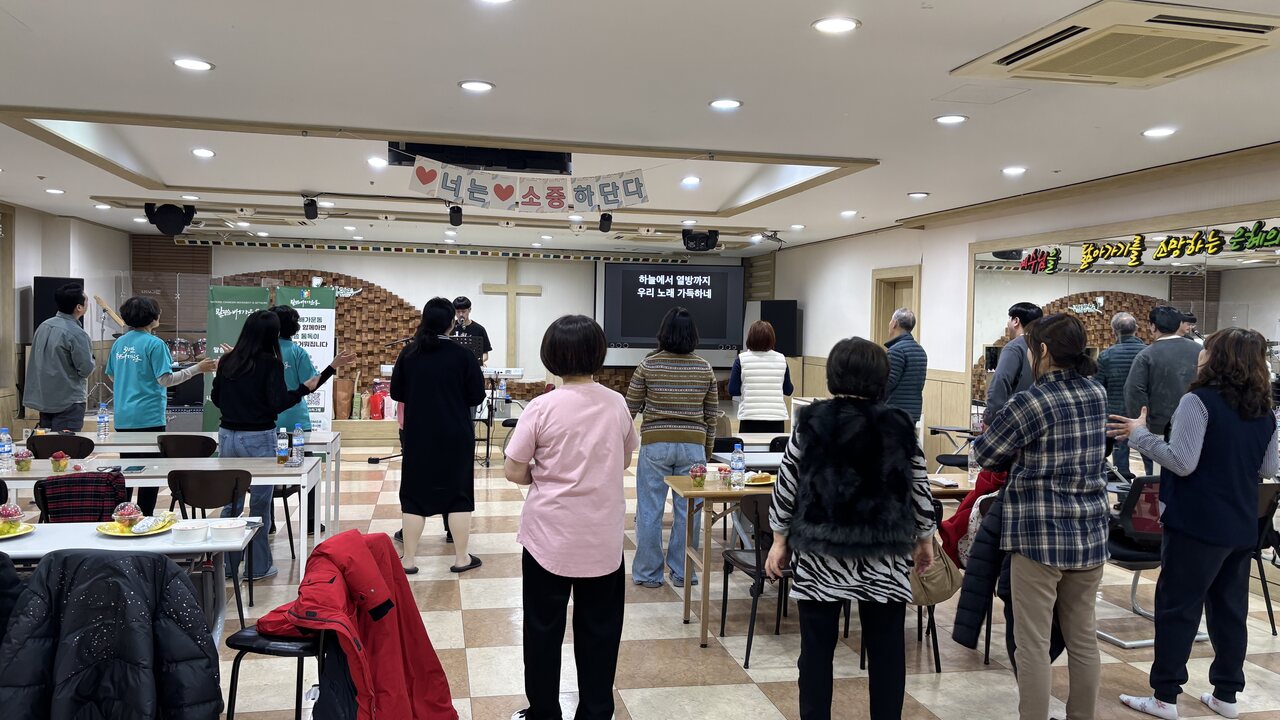
There jẹ́ many àwọn ẹ̀rí of the Ẹmí Mimọ ṣiṣẹ́ as eniyan ka já the Bibeli. Some eniyan darí dozens of àwọn ẹgbẹ́ kékeré. In the United States, the United Ìjọba, Canada, Australia, New Zealand, Japan, Thailand, Cambodia, ati across Koria in Seoul, Gyeonggi-do, Cheongju, Chungju, Gwangju, Daegu, Ulsan, Busan, Jeju, ati míràn regions, more than 1,000 àwọn ẹgbẹ́ ati more than 10,000 eniyan jẹ́ kópa in the Ìṣipopada Ìtànkálẹ̀ Ọ̀rọ̀ in the aayes of ilé, ìjọ, ibi iṣẹ́, Koria Àríwá settlers, ati àwọn ilé-ẹ̀kọ́.
The Bibeli ni the Ọ̀rọ̀ of Ọlọrun. The Bibeli fúnni ní ọgbọ́n leading to ìgbàlà, ni wúlò fún gbogbo area of ìgbé ayé, ati múra us so pé we lack nothing. The Bibeli múra us fún gbogbo iṣẹ́ rere, leads us to know Ọlọrun, ati further leads us to make Ọlọrun mọ̀.
The Bibeli ní ipa lórí not only olúkúlùkù lives but also leads us to live pẹ̀lú ipa in the àwọn ibi iṣẹ́ níbi tí we wà. It also leads àwọn àwùjọ ati orílẹ̀-èdès to jẹ́ dá sílẹ̀ on a tó tọ́ ìpìlẹ̀. In living a ìgbé ayé pé mọ̀, lóye, ìfẹ́s, ati gbọràn the Bibeli, the Ọ̀rọ̀ of Ọlọrun, it ni pàtàkì to hunger fún Ìwé Mímọ́, jẹ́ diligent to know ati lóye Ìwé Mímọ́, ati come on our knees to seek the ìrànwọ́ of the Ẹmí Mimọ.
The Bibeli sọ fún us tí Ọlọrun ni ati tí I am, ati shows my ìbáṣepọ̀ pẹ̀lú Ọlọrun. 2 Timothy 3:15-17 says pé the Ìwé Mímọ́s jẹ́ able to make us wise fún ìgbàlà nípasẹ̀ ìgbàgbọ́ in Christ Jesu, pé gbogbo Ìwé Mímọ́ ni Ọlọrun-breathed ati wúlò fún teaching, rebuking, correcting, ati ìkẹ́kọ̀ọ́ in òdodo, ati pé it thoroughly múra the ènìyàn of Ọlọrun fún gbogbo iṣẹ́ rere.
The Ìṣipopada Ìtànkálẹ̀ Ọ̀rọ̀ bẹ̀rẹ̀ by gbígbàdúrà to Ọlọrun to bring to mind eniyan tí can darapọ̀. Pàdé tàbí pe the ènìyàn tí comes to mind ati pè them, saying, "Let's ka já the Bibeli pọ̀." Each ènìyàn forms a ẹgbẹ́ kékeré of ó kere tán three eniyan including themselves ati dá a KakaoTalk yàrá. After parí the 100-ọjọ́ kíka, the ibi-afẹ́ ni fún gbogbo team àwọn ọmọ ẹgbẹ́ to tẹ̀síwájú multiplying.
When a ẹgbẹ́ kékeré fún Bibeli kíka ni dá sílẹ̀, àdúrà àwọn ìbéèrè jẹ́ written down ati a start ìròyìn ni posted in the whole Ìṣipopada Ìtànkálẹ̀ Ọ̀rọ̀ yàrá. The lojoojúmọ́ kíka ìtòlẹ́sẹẹsẹ ati àṣàrò passage posted in the whole yàrá jẹ́ rán síwájú to the ẹgbẹ́ kékeré yàrá, ati àwọn olukópa jẹ́ tọ́nisọ́nà to build the àṣà of gbígbàdúrà ṣáájú starting the kíka. According to the ìtòlẹ́sẹẹsẹ, they ka ten tàbíí of the Bibeli each ọjọ́, ṣe àṣàrò, ati gbàdúrà.
When kíka the Bibeli, the ìlànà ni to ka ní ohùn gíga. After Bibeli kíka, àṣàrò, ati àdúrà jẹ́ parí, àwọn olukópa pín a fáìlì gbigbasilẹ tàbí record the range they ka in the ẹgbẹ́ kékeré yàrá. A ẹgbẹ́ kékeré pé completes the 100-ọjọ́ kíka writes the àwọn ẹ̀rí of team àwọn ọmọ ẹgbẹ́ in the whole Ìṣipopada Ìtànkálẹ̀ Ọ̀rọ̀ yàrá as a completion ìròyìn, takes one ọjọ́ of ìsinmi lẹ́yìn completion, ati immediately bẹ̀rẹ̀ the kejì kíka.
The Ìṣipopada Ìtànkálẹ̀ Ọ̀rọ̀ team can ka já the Bibeli fún 100 ọjọ́s pẹ̀lú ẹbí at ilé ati tẹ̀síwájú sí inú ẹbí ìjọsìn. In àwọn ìjọ, it can begin pẹ̀lú eniyan tí want to ka the Bibeli but have not been able to parí it alone. In àwọn ibi iṣẹ́, ibi iṣẹ́ Christian fellowships ati àwọn alábàáṣiṣẹ́ participate pọ̀, ati in the aayes of acquaintances ati àwọn ilé-ẹ̀kọ́, eniyan tí want to ka the Bibeli, eniyan pẹ̀lú tí ebi ń pa ọkàns, ati àwọn ọ̀rẹ́ tí want to live by ìgbàgbọ́ ati come to know Ọlọrun darapọ̀ pọ̀.